8.11.12

(New) In the Chiller: Beer and Cheese!

Good morning everyone. I know you all are getting pretty antsy about Christmas and we are working triple time to get goods out as early as possible. Some patience as we are experiencing high volumes of pre-orders already!


Meantime, pop in for some Katipunan Craft's (unpasteurized) Indio Pale Ale, something that we are really happy about lately. It's a very "easy" beer to like and integrate into your life (I had not a few within an hour yesterday while working). The young Turks behind it have tweaked the pale ale to suit Pinoy tastes, so if you're used to San Miguel (aren't we all), a sip of this will easily lure you into the dark, bubbly side of the emerging beercraft movement that is thankfully giving males a creative outlet in the metropolis. We have special interest in this growth and will keep you posted on workshops, events that are beer-related.

We are also now stocking Blackbird Farms' cheese! Blackbird Farms is a family-run estate in Bulacan that raises goats and makes fresh feta cheese and spreads. Feta is a great lazy-and-independent person food. It livens up any salad, or a procrastinator's cracker late at night. So are the spreads, which chunky and savory.


27.10.12

(Music) Tame Impala's Lonerism

If you miss non-wimpy pop-rock, listen to Tame Impala's new album. Pretty much the whole thing is great, and we especially recommend to those who were ripping their jeans and wearing round sunglasses during the 90s. Here's a link to "Elephant".

26.6.12

(New) Pinkerton & Ritual's Oregano and Arabica Ice Creams!

Pinkerton uses our ingredients to churn out yummy flavors: oregano and arabica ice creams, both with water buffalo milk, organic honey, and coconut sugar. They taste heavenly.

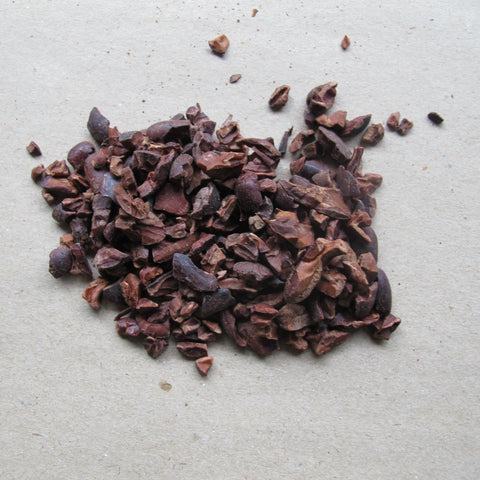
Stop by for some pints, or scarf down a scoop topped with roasted cacao nibs or native chocolate sauce (made with water buffalo cream!).


2.5.12

(New) Beyond Wheat Flour and Corn Starch: How to Cook Sago Flour

Wheat doesn't really grow in the Philippines. We've heard about it growing in very small quantities, but we've never actually seen it. It's just one of those things that you find in every part of the world, in the standard form of "all-purpose flour".

The standard flour is usually bleached with benzoyl peroxide, chlorine gas, or other bleaching agents. The latter makes flour white and shortcuts the aging process. There is a lot of debate about the safety involving byproducts of bleaching (alloxan, in particular, which has been linked to diabetes). This technology has allowed the massive scaling up of the flour milling industry, allowing for millions of tons to be processed each day. Which is quite an abnormal thing, in the greater scheme of the earth, I suppose.

More people have been requesting for gluten-free flours and starches, too. So, though a bit difficult to come across, we've started to search for alternative flours. All the folks that have been asking, these are for you!


Sago starch (sometimes called a flour) is used in Southeast Asia and South Asia. In the Philippines, it used as a staple food predominantly by lumads (indigenous people), but historically was widespread in some parts of Mindanao-- we were even importing them from Makassar. Today, Butuan is a place that is particularly notable in its continuing use of sago. The non-kakanin kakanin palagsing inspires spontaneous emotional poetry among locals. Tumpi and inisab do the same.

Forest starches are growing increasingly uncommon in the Philippines. In our observation, the Visayas region uses its buri starch in the same way as sago starch is used in Mindanao. The starch is extracted from the wild sago palm (Metroxylon sagu) in a very labor-intensive process (which the fantastic EatingAsia has documented so well here). 

Our partner producers here are the indigenous Manobo of Agusan del Sur (where the starch is called natek), who are making the starch as a sustainable forest product exploration. It is grown without pesticides or fertilizers. We use it as sauce thickeners (in place of the horrifyingly ubiquitous corn starch) and to make our version of puto seko with coconut sugar. It is very easily digestible and can be used in porridge for convalescents or babies. It may also be substituted for the starch component of gluten-free flour mixes. Some use it to make ice cream cones. We would love to hear how you guys can find uses for it.

Here are some other recipes we've compiled and will try out through the weeks. We'll also be posting our kitchen experiments in the coming days.

South Indian Sago Papadoms
Indonesian Es Cendol, a super yummy shaved ice snack
Indonesian Pempek Palembang, sort of like fish balls
Indonesian Sagu Keju (Cheese Biscuits), just substitute butter for the margarine
Indonesian Steamed Kue Pepe (Layer Sago Cake)
Malaysian Fried Sago Pancakes
Papuan Saksak (Sweet Sago-Banana Dumplings)
Singaporean Sago Cookies, like uraro or puto seko

We'll be bringing some this weekend to the Legazpi Market, so bring your containers!

28.2.12

(Press) Town & Country, January/February 2012

Check out the current (well, for one more day) issue of Town & Country with Crickette Tantoco on the cover. We're in a great list by Marketman of his favorite merchants in town! Thanks, MM, we're honored.